
Books, Handbooks & Textbooks
Foundational long-form works authored and edited by CARP scholars — presented in the same visual style as the rest of the site.
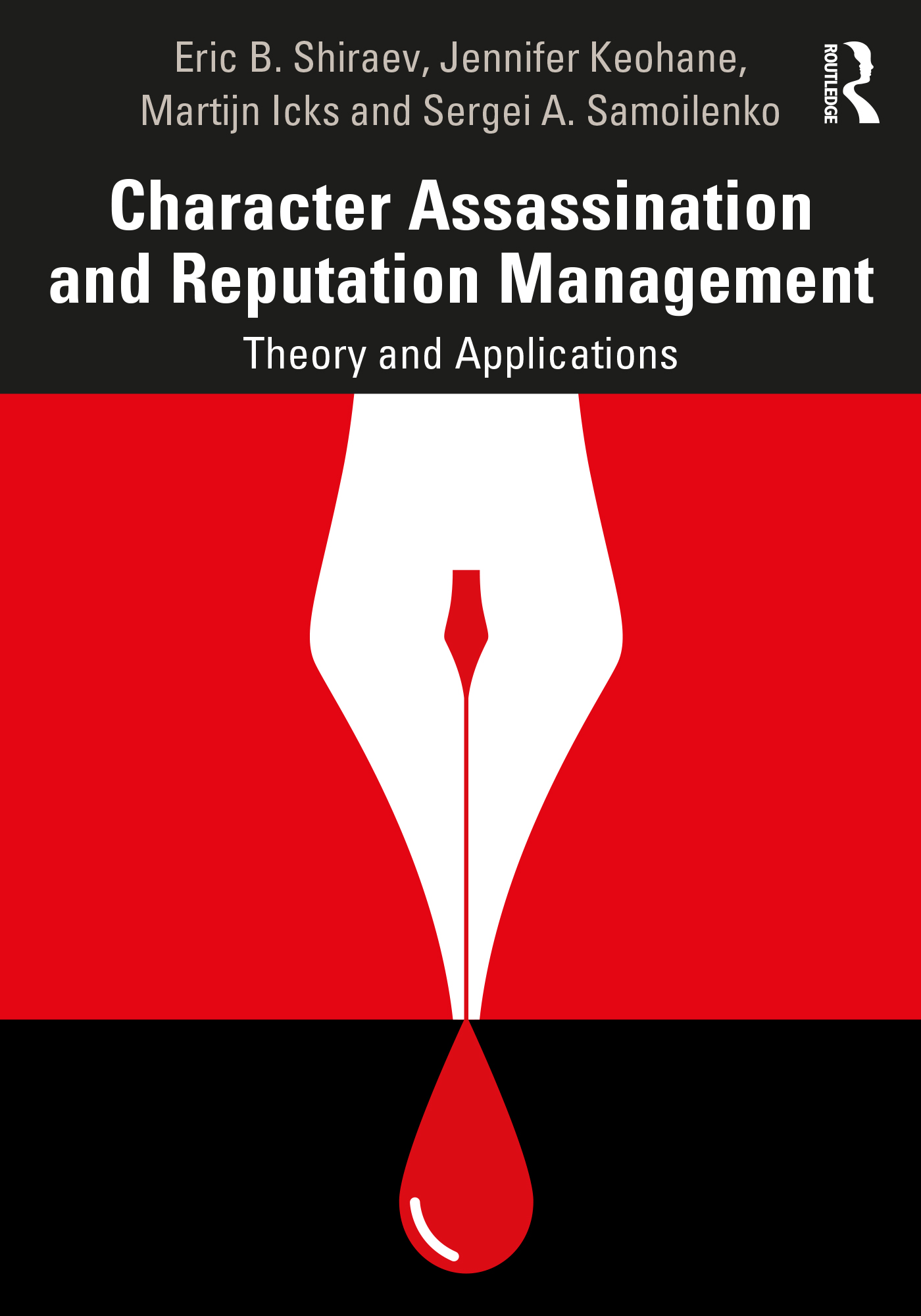
Character Assassination and Reputation Management: Theory and Applications
A primer offering the first comprehensive examination of character assassination. From ancient history to social media,
the book asks how character attacks work, why they succeed or fail, and how to anticipate, prevent, and defend against them.
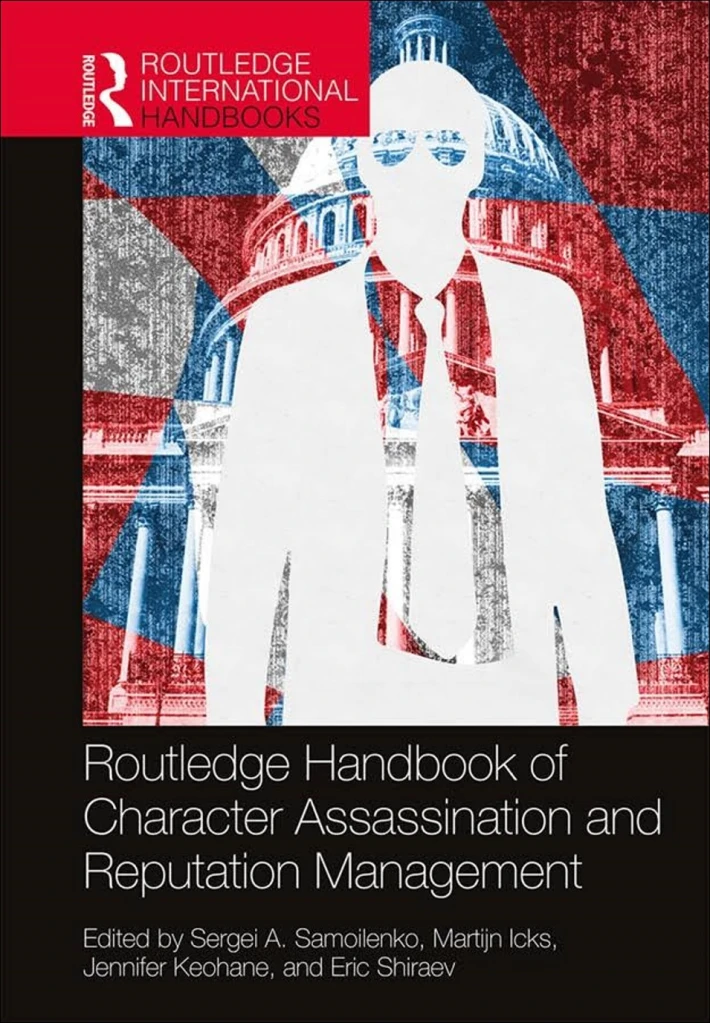
Routledge Handbook of Character Assassination and Reputation Management
The first comprehensive handbook on character assassination: theory, “five pillars” framework (attacker, target, media, public, context),
and 40+ interdisciplinary case studies. A core reference for communication, political science, history, sociology, and psychology.
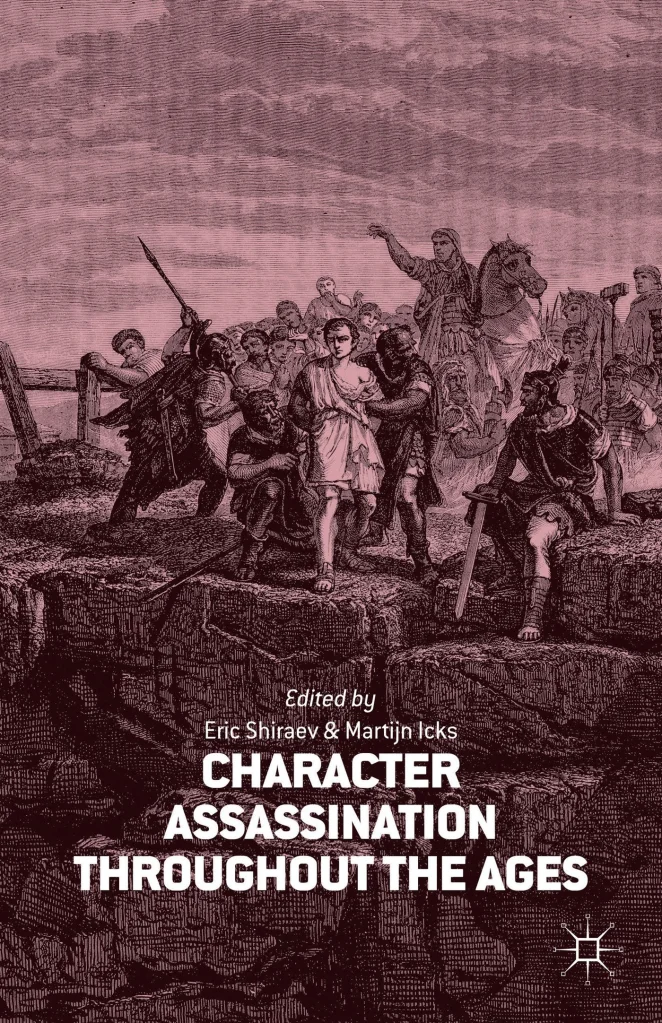
Character Assassination throughout the Ages
Using cases from antiquity to the present, contributors show how attackers target private lives, values, and identity —
and how character assassination has long been a potent weapon in politics and personal rivalries.
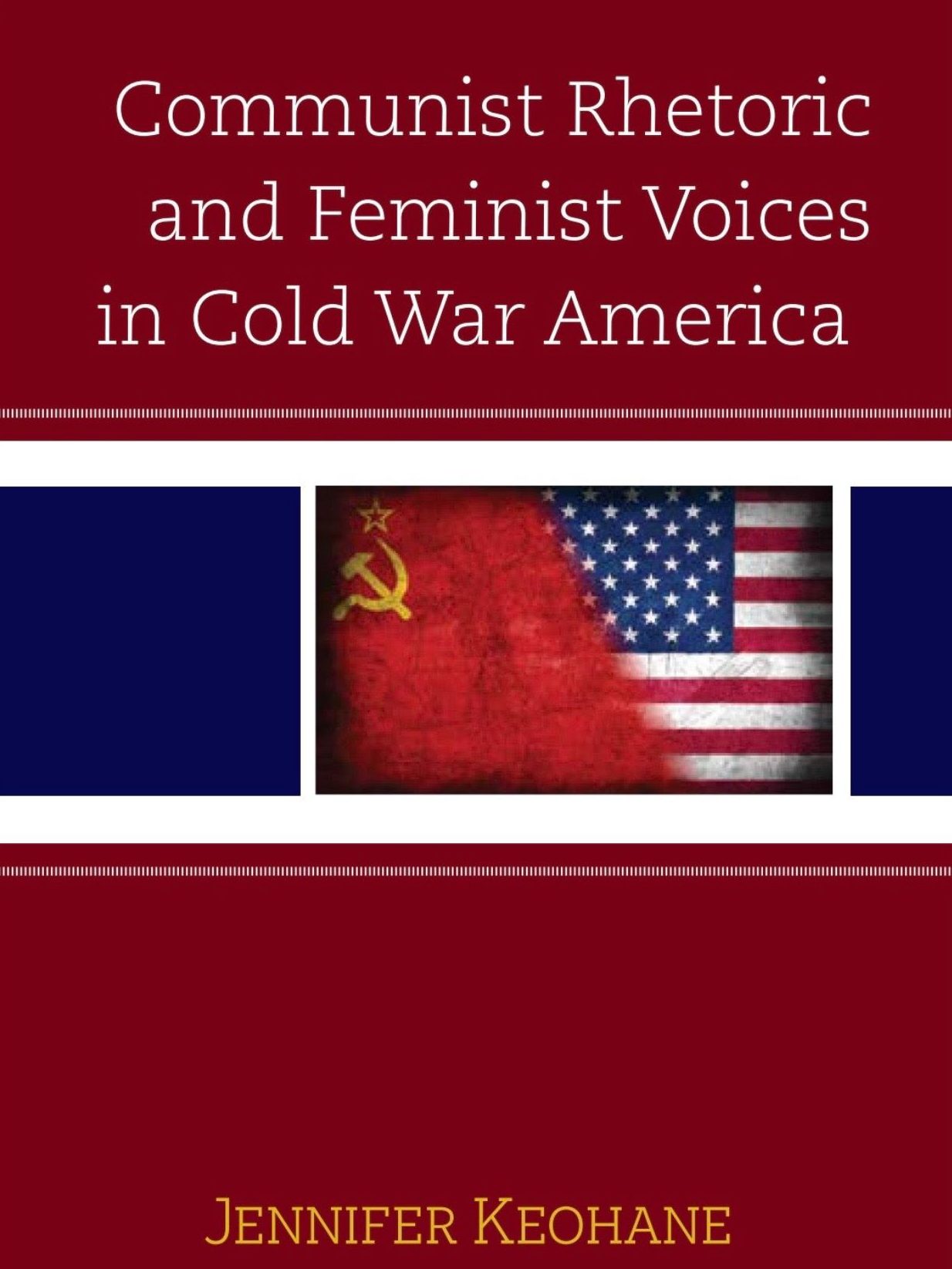
Communist Rhetoric and Feminist Voices in Cold War America
The story of women in the CPUSA who used inventive rhetoric to build credibility and open space for feminist discourse and activism,
challenging Cold War norms while advancing class and race consciousness.

Handbook of Research on Deception, Fake News, and Misinformation Online
Broad perspectives, practices, and case studies on online deception — from behavior analysis and cyber-fraud to detection methods
for misinformation and political deception.
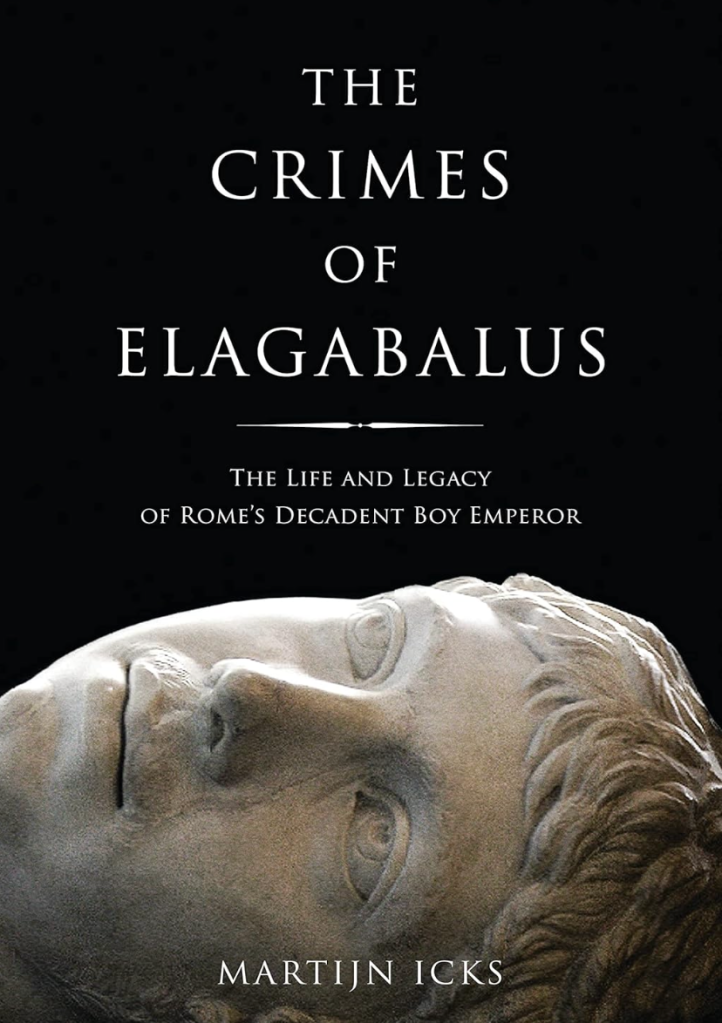
The Crimes of Elagabalus: The Life and Legacy of Rome’s Decadent Boy Emperor
A fresh look at one of Rome’s most notorious rulers — his short, scandalous reign, the religious upheavals it sparked,
and the evolving, often sensational legacy that followed.
Nadja Gernalzick, Edwina Hagen, Martijn Icks, Jennifer Keohane, & Eric Shiraev. Eds.
Auto/Biography and Reputation Politics. 2025. New York: Routledge.
Auto/Biography and Reputation Politics reveals a simple but powerful insight: life writing is never neutral—it is a form of reputation politics. Bringing together two fields that rarely speak to each other, this book shows how autobiographies, biographies, memoirs, and even campaign speeches actively construct, defend, or transform reputations across time and cultures. Ranging from the Byzantine Empire to contemporary Russia and the United States, and drawing on texts in seven languages, the contributors uncover the narrative, political, and strategic choices behind self-representation. By linking storytelling to power, identity, and public perception, the volume offers a fresh, globally grounded framework for understanding how reputations are made, unmade, and fought over on the written page.