
The 2019 Amsterdam Colloquium
Character Assassination! Media and mudslinging from Caligula to King Gorilla
June 21, 2019 · De Hortus, Plantage Middenlaan 2A, Amsterdam
Colloquium Overview
A historical perspective on character assassination, examining how reputation attacks have evolved
from ancient times through modern digital media.
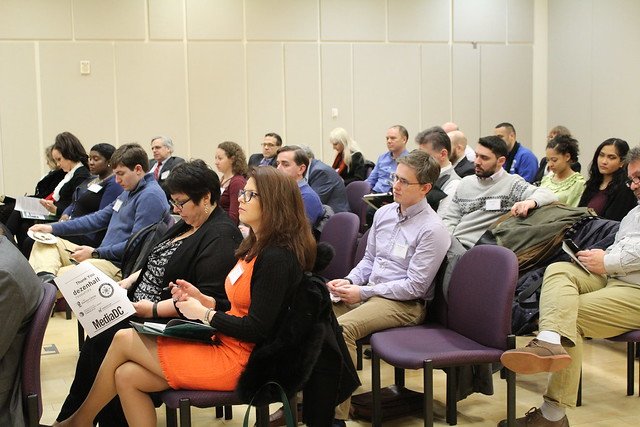
Character assassination is a phenomenon that can be found in every historical epoch. Throughout the ages,
numerous kings, queens, generals, clergymen, thinkers and rebels have suffered visual and verbal attacks
which sought to undermine their prestige and cast them in a negative light. While this is currently done
through tweets and campaign ads, in previous ages speeches, chronicles and pamphlets were the weapons of
choice. Their effects were no less devastating. The reputation of notorious figures such as Emperor Caligula,
the “Iron Duke” of Alba and the Dutch “King Gorilla” (William III) has been determined by character attacks
to this day.
This colloquium places character assassination in historical perspective. In doing so, we focus primarily
on persons from the political sphere: kings, aristocrats, statesmen. Can we identify constant factors through
time in the ways these people’s reputations were attacked and in the motives behind these attacks? How have
acts of character assassination been influenced by changing historical circumstances, particularly by the
introduction of new technologies and media such as the printing press, the newspaper and radio? And can
historians make use of methods and models from the political and social sciences to analyse character
assassination? By discussing and comparing case studies from various historical epochs, we hope to shed
light on these questions.
Key Research Questions
Historical Continuities
- Constant factors in reputation attacks across different historical periods
- Recurring motives and patterns in character assassination campaigns
- Evolution of tactics from ancient Rome to modern digital platforms
- Case studies spanning from Caligula to contemporary political figures
Media & Technology Impact
- How new technologies shaped character assassination methods
- From speeches and chronicles to pamphlets and newspapers
- The role of printing press, radio, and digital media
- Comparative analysis across different media environments
Interdisciplinary Approach
The colloquium brought together historians, political scientists, and communication scholars to develop
new methodological frameworks for analyzing character assassination across historical periods. This
interdisciplinary perspective allows for a more comprehensive understanding of how reputation politics
have evolved while maintaining core strategic elements.
Conference Materials & Resources
Access the complete program, promotional materials, and media coverage from the 2019 Amsterdam Colloquium
on historical character assassination.
Conference Documents
Media Coverage
Additional Resources
Featured Historical Cases
The colloquium examined character assassination across different historical periods, focusing on political
figures whose reputations were shaped by systematic attacks.
Ancient & Classical Examples
- Emperor Caligula – Roman imperial propaganda and posthumous character destruction
- Ancient rhetorical traditions of political invective and character attacks
- Early examples of systematic reputation warfare in political contexts
Early Modern Period
- Duke of Alba – The “Iron Duke” and Spanish rule in the Netherlands
- Pamphlet wars and the role of printing press in political communication
- Religious and nationalist motivations in character assassination campaigns
Dutch Golden Age
- William III (“King Gorilla”) – Political satire and royal reputation management
- The role of political cartoons and visual propaganda
- Character attacks in the context of constitutional monarchy
Modern Era Connections
- Evolution from pamphlets to newspapers to digital media
- Persistent themes in political character assassination
- Lessons for understanding contemporary reputation politics